Asset characterization is an important step in determining the process performance capability of a given unit operations equipment. As we discussed in our earlier posts, it forms the backbone of deep process understanding and science-driven technology development and transfer.
Let’s recap the core components of this engineering paradigm:
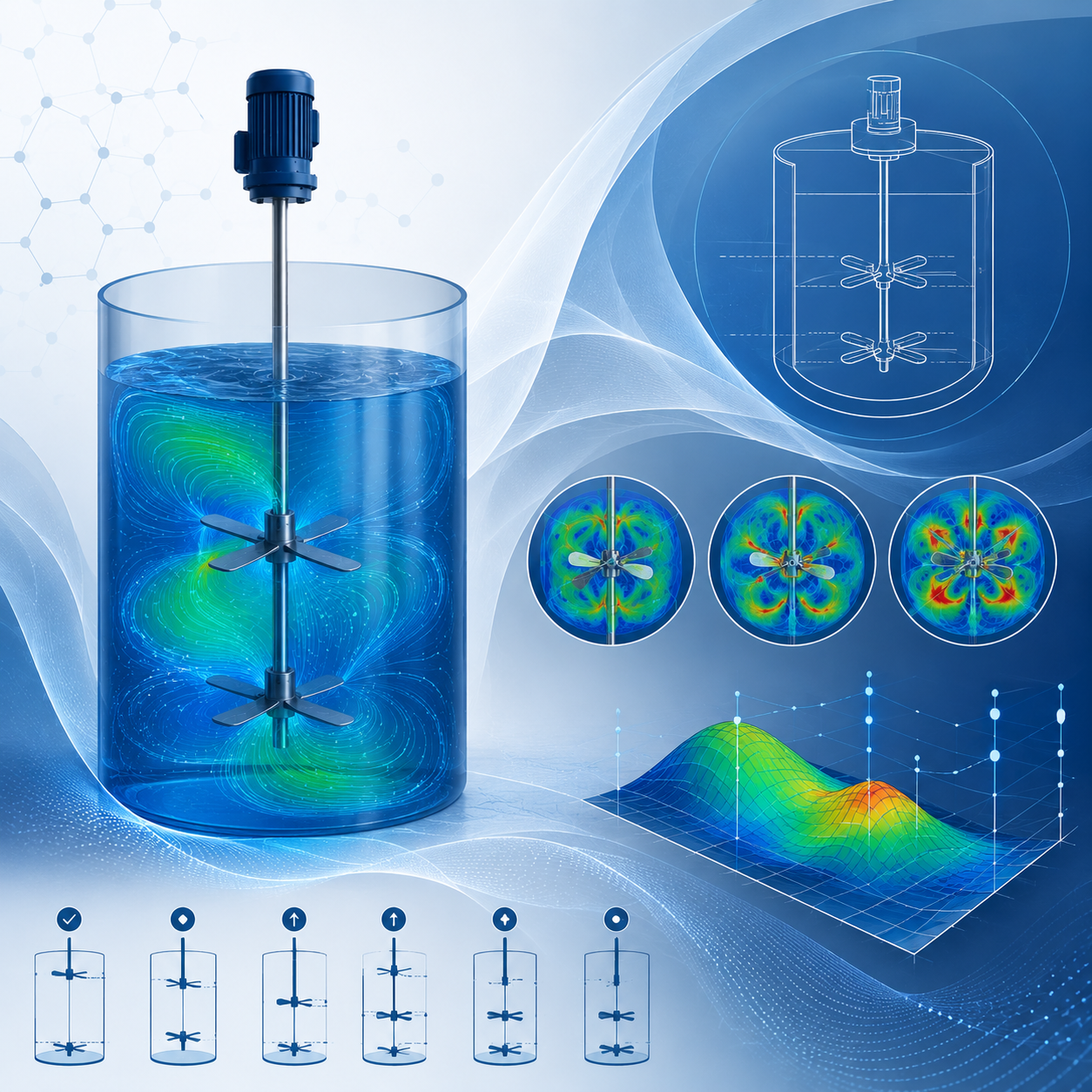
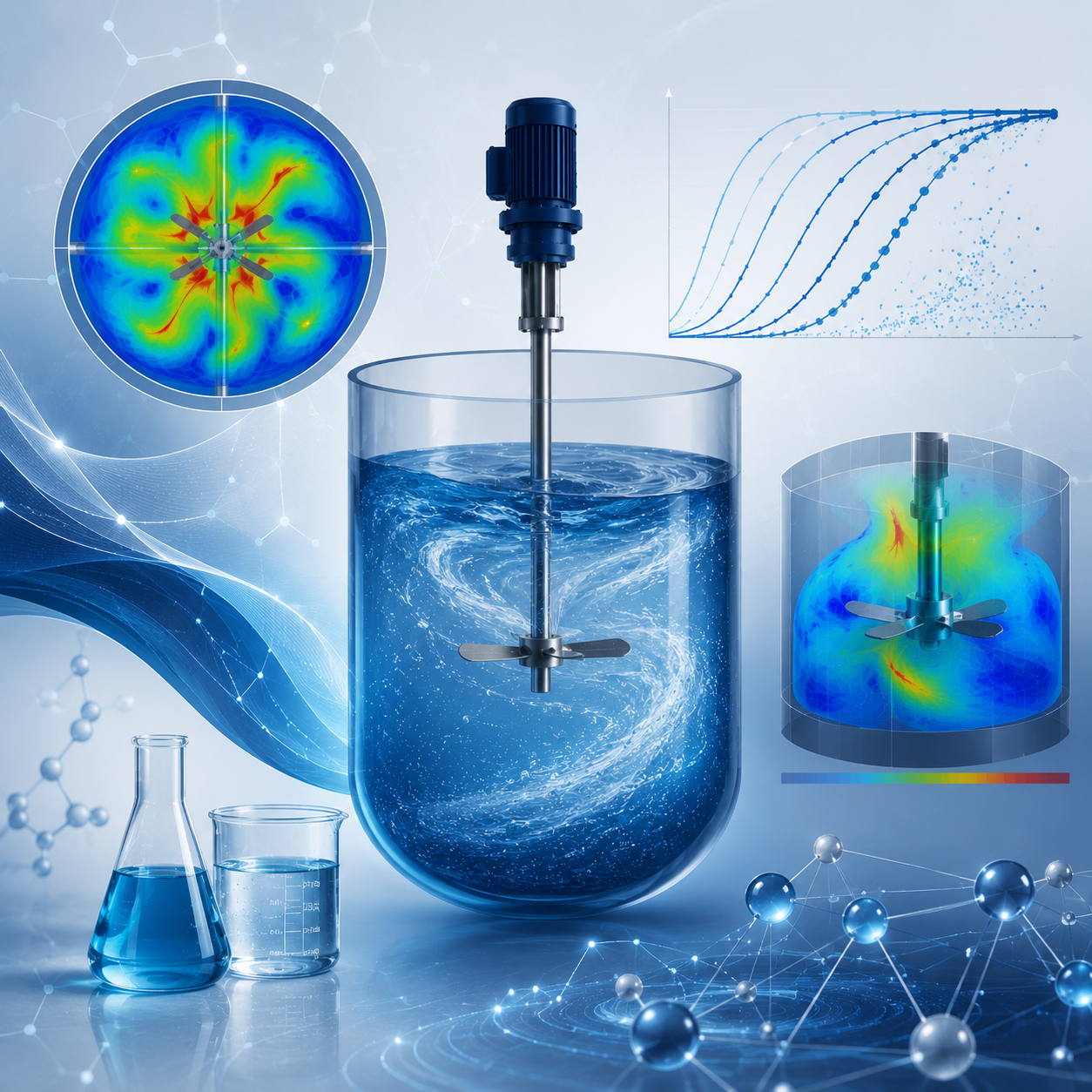
- First-Principles Modeling: Asset characterization can be performed conveniently and rigorously using computational fluid dynamics (CFD), discrete element method (DEM), and chemical engineering first-principles models.
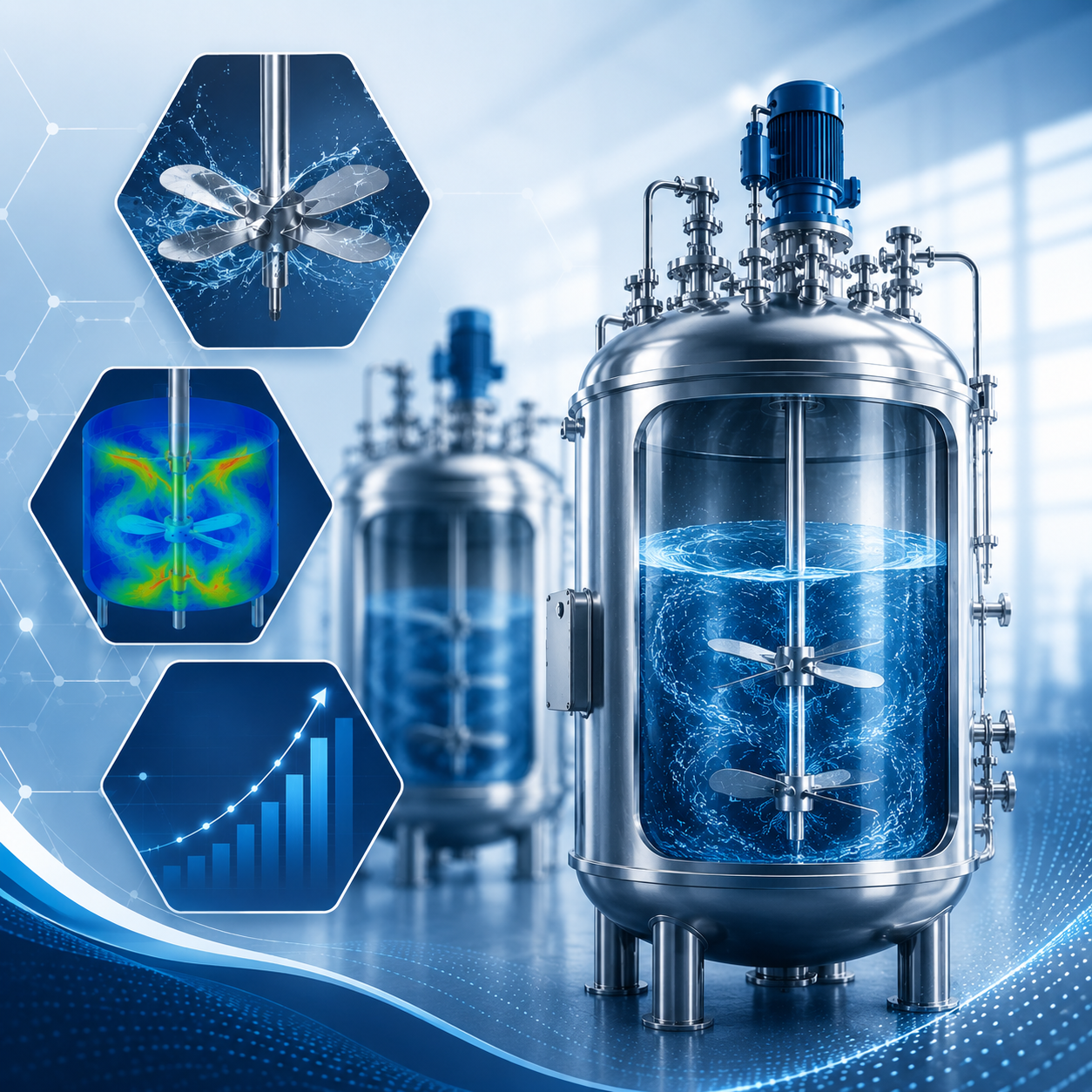
- The Digital Nameplate: This analysis results in a high-fidelity digital "nameplate" for the process asset under consideration, such as a bioreactor, crystallizer, high-shear granulator, or tablet press.
- Process Metrics Quantification: Similar to a physical nameplate, the digital nameplate provides details on the structural and physical capabilities of the asset—its "process metrics" (PMs)—such as expected mixing times, localized shear distributions, heat transfer coefficients, and gas-liquid mass transfer effectiveness, all as a function of operating conditions and material properties.
- Scale-Independent Relationships: Mathematically mapping the relationships between directly measurable process parameters (PPs) and scale-independent process metrics (PMs) captures the geometric and scale-dependent behavior of a given unit process.
- QbD Integration: By considering critical process parameters (CPPs), critical material attributes (CMAs), and a critical set of process metrics (CPMs), engineering teams can directly integrate their technology transfer with the Quality by Design (QbD) paradigm.
The DNA of the Asset
It is typical for complex industrial processes to have multiple distinct CPMs, each characterizing one or more physical phenomena or equipment capabilities. The relationship between CPPs, CMAs, and CPMs is captured in a "Digital Nameplate" of the asset, which we dub its DNA—ensuring things get done right the first time, every time!
Just as the DNA of a living organism holds all the fundamental genetic instructions relevant to its biological being, the DNA of a process asset holds all the physical and operational performance rules relevant to its capability under a specific unit operation.
Steps in Asset Digitalization
For any given process asset, these essential PP-PM relationships are obtained systematically using a process called "Asset Digitalization". The digitalization pipeline is executed through the following structured steps:
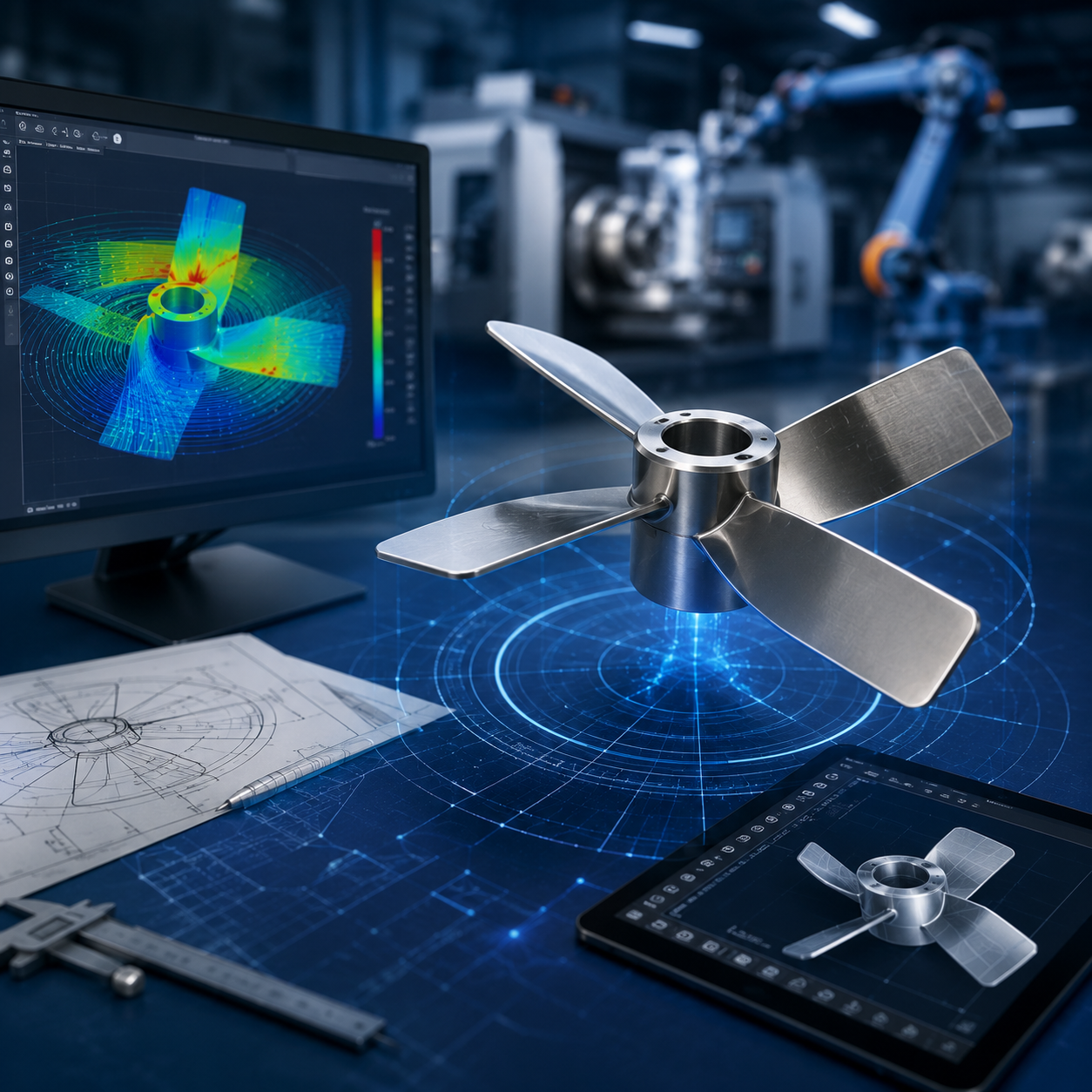
- Identify PPs, MAs, and PMs Relevant to the Asset: This initial step leverages prior process knowledge and engineering intuition. For the unit operation under consideration, a comprehensive set of process metrics must be identified to account for all relevant mass, heat, and momentum transport phenomena.
- Determine Ranges of Values for PPs and CMAs: Define the operational boundaries and material characteristics (such as viscosity, density, or particle sizes) that the asset is likely to encounter during its lifecycle campaigns.
- Develop PP-PM Relationships for the Relevant Ranges: Execute virtual Design of Experiments (DoE) using computational fluid dynamics (CFD) and discrete element modeling (DEM), and distill these high-fidelity results into rapid-solving Reduced-Order Models (ROMs) to capture the functional dependencies.
- Store Asset DNA Information for Dynamic Retrieval: Store the distilled PP-PM relationships in an object-oriented digital library. Platforms like SimSight and PERMiT keep this database organized, making the asset DNA instantly retrievable for future process fit, tech transfer, and digital twin applications.
Once the DNA of an asset is successfully created, it is ready to be utilized as a strategic asset for virtual scale-up, rapid facility fit-gap analysis, and predictive troubleshooting.
Are you ready to unlock the power of Asset Digitalization for your plant? Contact us at permit@tridiagonal.com or simsight@tridiagonal.com to speak with our engineering specialists.